


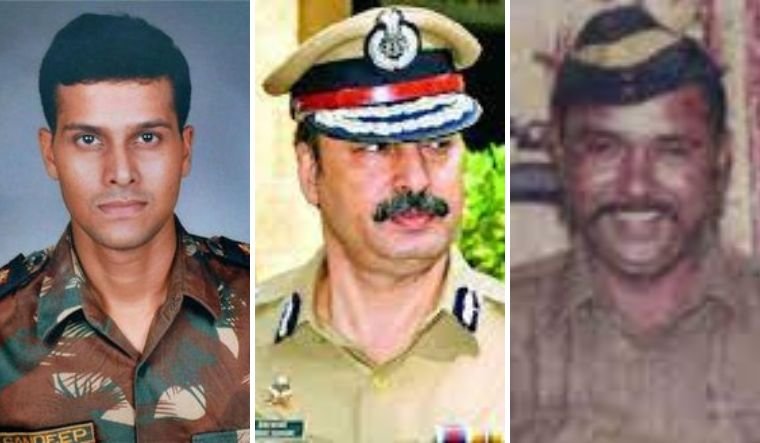
“26/11 Mumbai Terror Attack: A Nation Remembers the Day Terror Struck at the Heart of India”
26/11 Mumbai Terror Attack: A Nation Remembers the Day Terror Struck at the Heart of India
Mumbai, November 26, 2024 – It’s been 16 years since the tragic events of November 26, 2008, when a group of heavily armed terrorists from Pakistan launched a series of coordinated attacks on multiple locations in Mumbai. The day, which began like any other, quickly became one of the darkest in the history of India. The attacks not only left a nation in shock but also exposed vulnerabilities in the country’s security apparatus, changing the way India approaches counterterrorism efforts.

As Mumbai and the entire nation commemorate the 16th anniversary of the horrific events, memories of the terror attacks that struck the heart of India’s financial capital remain fresh. The tragic events of 26/11 continue to reverberate through the lives of survivors, families of victims, security forces, and the people of Mumbai, who rose from the ashes with unmatched resilience.
The Attacks
On the night of November 26, 2008, ten terrorists associated with the Pakistan-based militant group Lashkar-e-Taiba (LeT) arrived by sea on inflatable boats and launched a synchronized assault on key locations in Mumbai. Over the course of nearly 60 hours, they attacked iconic sites that symbolized the prosperity and cultural diversity of the city, including:
- Taj Mahal Palace Hotel: One of the most iconic luxury hotels in the world, where gunmen held hostages and engaged in a prolonged siege. More than 30 people were killed in the hotel, and dozens more were injured before security forces stormed the building.
- Oberoi Trident Hotel: Another luxury hotel targeted by the terrorists, resulting in multiple casualties. Like the Taj, the Oberoi was taken over by the attackers, with hostages held in several rooms for hours.
- Leopold Cafe: A bustling café popular with tourists and locals alike, Leopold Cafe was the site of the initial assault. Several people were gunned down, including tourists and locals, as the terrorists indiscriminately opened fire.
- Chhatrapati Shivaji Maharaj Terminus (CST): The terrorists attacked the busy train station, shooting at commuters in the station’s main hall. At least 50 people were killed in this brutal assault, which was captured on CCTV footage, forever etching the image of violence and horror into the public consciousness.
- Nariman House: A Jewish community center, Nariman House was attacked by two of the terrorists who held a Jewish family hostage, including a young child. The family, along with several others, was tragically killed during the standoff.
The Response
As the terror unfolded, Mumbai’s police, commandos, and the National Security Guard (NSG) launched a heroic and desperate effort to neutralize the attackers. Among the first responders were Mumbai’s police officers, many of whom made the ultimate sacrifice while trying to protect the city. The most notable among them was Hemant Karkare, the head of the Maharashtra Anti-Terrorism Squad (ATS), who was killed while attempting to neutralize one of the attackers at the Taj Hotel.
The siege at the Taj Palace Hotel became a symbol of both tragedy and heroism. Security forces battled for hours to take control of the building, and it wasn’t until November 29 that the final attacker was killed. By the time the operation ended, over 170 people had lost their lives, and more than 300 were injured.
One of the most haunting moments of the attacks was the real-time coverage provided by television networks, which broadcasted the unfolding events as families and loved ones anxiously waited for news. The images of brave hotel staff, including the Taj’s security chief Hemant Suryavanshi, as well as the NSG commandos, who risked their lives to save hostages, captured the world’s attention.
The Aftermath
The impact of the attacks went far beyond the immediate loss of life. The incident left deep scars on the people of Mumbai, and it brought India’s vulnerabilities to the forefront. The attacks also led to strained diplomatic relations between India and Pakistan, with India demanding stronger action against militant groups operating from Pakistani soil.
In the years following the attacks, India implemented several changes to improve national security, including the formation of the National Investigation Agency (NIA), the introduction of more stringent anti-terror laws, and the modernization of intelligence gathering and response mechanisms. However, the attacks also revealed weaknesses in India’s intelligence-sharing systems, coordination between different agencies, and the preparedness of security forces to deal with highly coordinated, multi-pronged attacks.
One of the most significant outcomes of the 26/11 attacks was the creation of the National Security Guard (NSG) hubs across the country to respond quickly to terrorist incidents. The attacks also underscored the need for better training of the police and paramilitary forces in counterterrorism tactics.
Remembering the Victims and Heroes
As Mumbai remembers the victims of 26/11, families of the deceased, survivors, and citizens gathered at memorials, parks, and the sites of the attacks to honor those who lost their lives. The Taj Hotel, the Oberoi Trident, and other locations that were hit by the terrorists have become symbols of resilience, with plaques and memorials erected to remember the dead.

In Mumbai, a city renowned for its resilience in the face of adversity, the anniversary of the attacks has become an occasion not only for remembrance but also for reflection on the values of unity, strength, and the relentless pursuit of justice. The 26/11 memorial at the Leopold Cafe and the annual memorial service at Gateway of India serve as gathering points for those who continue to mourn and commemorate the sacrifices made.
The attacks also led to the recognition of unsung heroes, including hotel staff who helped save lives, police officers who stood their ground in the face of overwhelming odds, and first responders who acted with extraordinary bravery. The Indian Navy and Marine Commandos (MARCOS) also played a critical role in rescuing hostages and neutralizing the attackers who had come via sea.
Justice and Accountability
In the years since 26/11, many of the attackers have been apprehended, tried, or killed in operations. The most infamous of these was Ajmal Kasab, the lone surviving terrorist, who was captured during the attacks and later sentenced to death. His trial and execution in 2012 brought a measure of justice to the victims, but many in India feel that justice for the masterminds of the attacks, who are believed to be based in Pakistan, has not been fully realized.
Despite international pressure, Pakistan has been criticized for its failure to act decisively against the groups responsible for planning and executing the attacks. The families of the victims continue to demand accountability, as many of those responsible for orchestrating the attack remain free.
The Legacy of 26/11
Sixteen years later, Mumbai has rebuilt and healed, but the scars of 26/11 are still visible. The attack changed the city forever, strengthening its resolve to stand united in the face of terror. Mumbai’s spirit of resilience remains unbroken, and its people continue to honor the memory of those lost, while reaffirming their commitment to peace and security.
The attacks on 26/11 were not just a tragedy for India, but for the world. They served as a brutal reminder of the dangers posed by global terrorism and the need for cooperation and vigilance in the fight against extremism. As the nation remembers those lost, it is also reminded of the ongoing fight against terrorism and the importance of never forgetting the sacrifices made to protect peace and security.
On this 16th anniversary, the words of Taj Hotel general manager, Mr. Rattan Keswani, who survived the attacks, resonate across Mumbai and the world: “We will always stand tall. Mumbai’s resilience is our strength. We refuse to be cowed by fear.”
The story of 26/11 is a story of loss, but also one of indomitable spirit. It is a story that will never be forgotten.